


That’s why it’s time to invest in more homegrown electricity and build the projects that will make our electricity system more affordable and less exposed to global fossil fuel prices. By working together, government and industry can speed up new renewables and upgrade the grid to secure more stable costs for households and businesses across Britain.
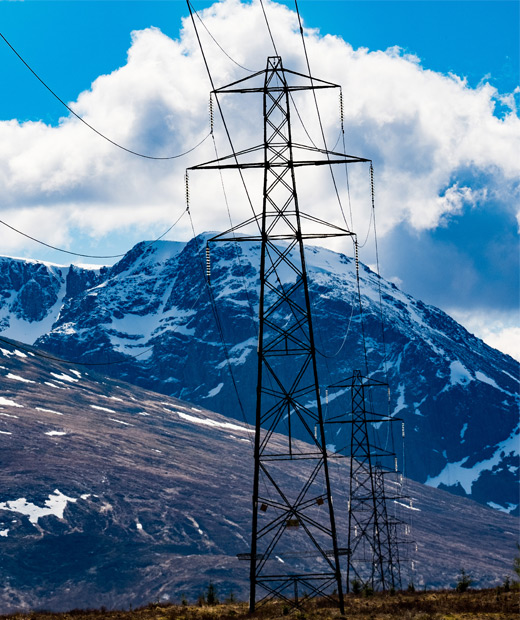
Investing billions in energy infrastructure
We’re putting serious investment behind our energy future. We’re focusing the bulk of this investment on strengthening the UK’s electricity networks, so more affordable sources of homegrown power can reach homes and businesses. We’re also investing in renewables and flexible generation to keep the lights on when demand is high.
This is about building a system people can rely on. One that’s more secure and less exposed to global price shocks.
And we’re not stopping there. We’re ready to keep investing beyond 2030, because action, not just ambition, is what will deliver a more stable, affordable energy system for the UK.
Read about the SSE investor case.
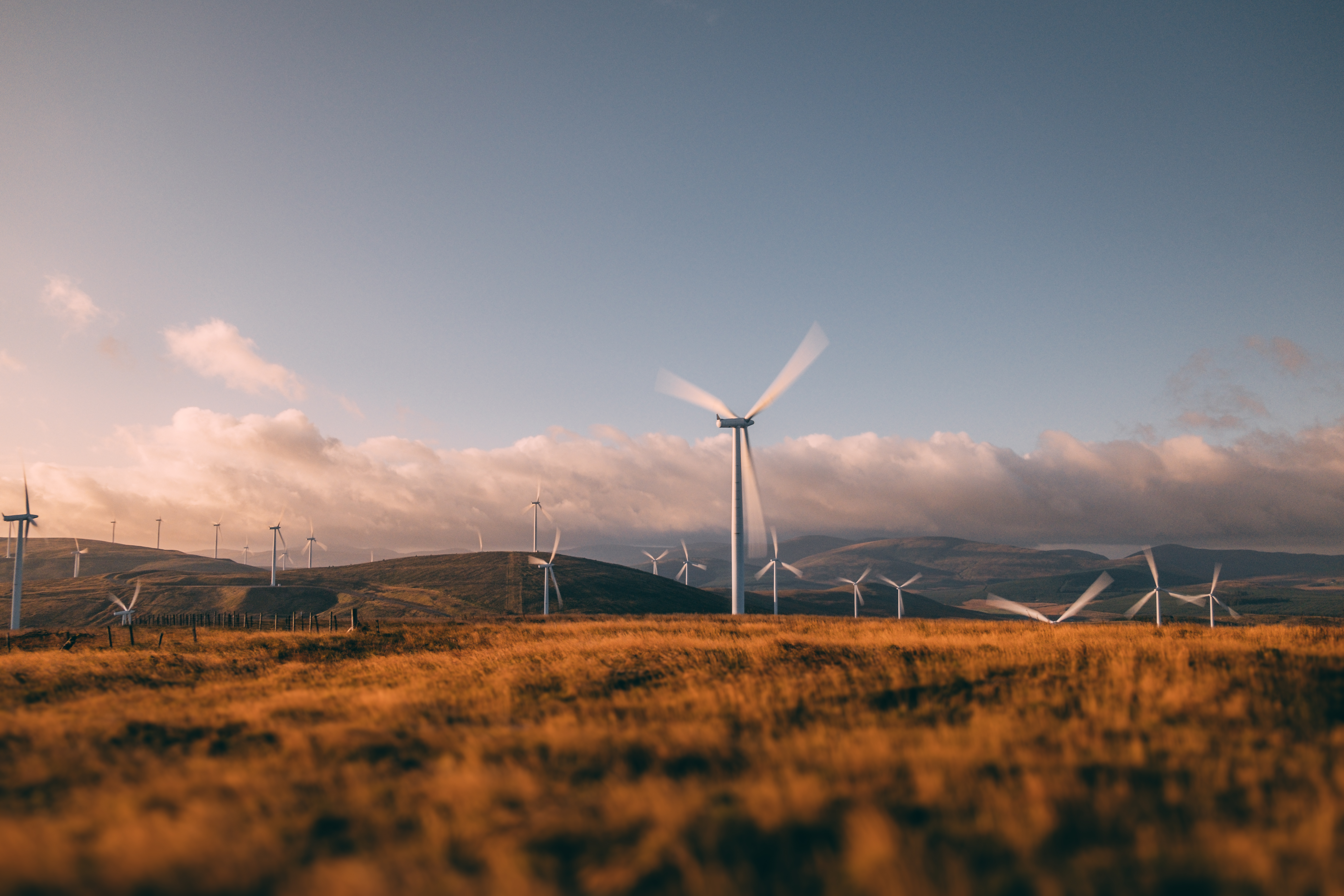
Secure affordable electricity starts at home
Today, our electricity prices remain heavily influenced by international gas markets. When global gas prices spike, households and businesses feel the impact through higher energy bills. The energy crisis following Russia's invasion of Ukraine showed just how exposed the UK can be to volatile fossil fuel markets.
The solution is to generate more of our electricity from homegrown renewable sources to avoid being exposed these unpredictable price spikes and build the modern electricity grid needed to connect them to homes and businesses across the country.
At the same time, accelerating electrification across transport, heating and industry will allow more of our economy to benefit from secure, homegrown electricity rather than relying on imported fossil fuels.
Read about SSE's vision for secure, affordable energy.
Upgrading the grid
Our networks businesses play a critical role in the energy transition by developing, building, maintaining and operating an efficient energy network which supplies electricity to communities, homes and businesses across the country.
We distribute power directly to 3.9 million homes and businesses across central southern England and the north of Scotland, and we’re also responsible for the electricity transmission network in the north of Scotland, which consists of underground and subsea cables, overhead lines and electricity substations.
We must upgrade the grid today to ensure that low-cost renewable electricity generated in Britain can make it’s way to homes and businesses. By upgrading the grid we will be able to move more homegrown power to where it’s needed safely and at scale.
Enabling an electrified future
Britain already has a clear path forward: a system powered by homegrown, low-cost renewable electricity, supported by modernised networks, will lay the foundations for an energy system that runs on electricity.
Electrification is replacing technologies that rely on fossil fuels with electric alternatives. By making it easier to switch to electric heating and transport, we can build an energy system that’s more reliable and cheaper to run.
Accelerating electrification will ensure homes and businesses can access cheaper, more efficient electricity, while spreading system costs more fairly. As electrification accelerates, these benefits will grow, improving efficiency, lowering overall energy use, and supporting a more competitive economy.
Why homegrown electricity matters
Britain still relies heavily on energy from global markets - and when those markets are volatile, people feel it in their bills. The more we depend on imported fuels, the less control we have over costs.
That’s why building more homegrown electricity is so important. Power generated here in the UK, from sources like wind and solar, isn’t exposed to the same global price shocks. We also have flexible gas-fired power stations on the grid to provide reliable back-up electricity when the sun isn’t shining or the wind isn’t blowing.
Over time, that means a more secure energy system and better protection against rising costs, helping keep bills more stable for homes and businesses.